Process & Sustainability
How a bottle becomes a bloom.
From a Himachal Pradesh bio-molding plant to the Seed Tag in your hand — the full production process, and what happens after, measured by what our packaging leaves behind.
Operational Base
Two locations. One circular supply chain.
Primary Manufacturing Plant
Himachal Pradesh, India
State-of-the-art production unit optimised for bio-molding and compostable bottle fabrication.
Corporate Office
Chandigarh, India
Strategic headquarters managing commercial operations, B2B sales and product design.
Strategic Advantages
- Direct access to abundant raw sugarcane bagasse
- Highly skilled engineering & technical workforce
- Strong government support & subsidies for sustainable manufacturing
Facility highlight: clean energy & zero chemical waste standard
The Process
From agro-waste to afterlife.
Agro-Waste Intake
Leftover sugarcane bagasse is collected from regional mills instead of being burned.
Fibre Preparation
Bagasse is cleaned, pulped and refined into a high-grade natural fibre base.
Biopolymer Blend
Plant-based PLA & PBAT biopolymers are compounded with the fibre — no petroleum inputs.
Bio-Molding
Bottles and tableware are molded with zero chemical coating and clean-energy processing.
Seed Tag Fitting
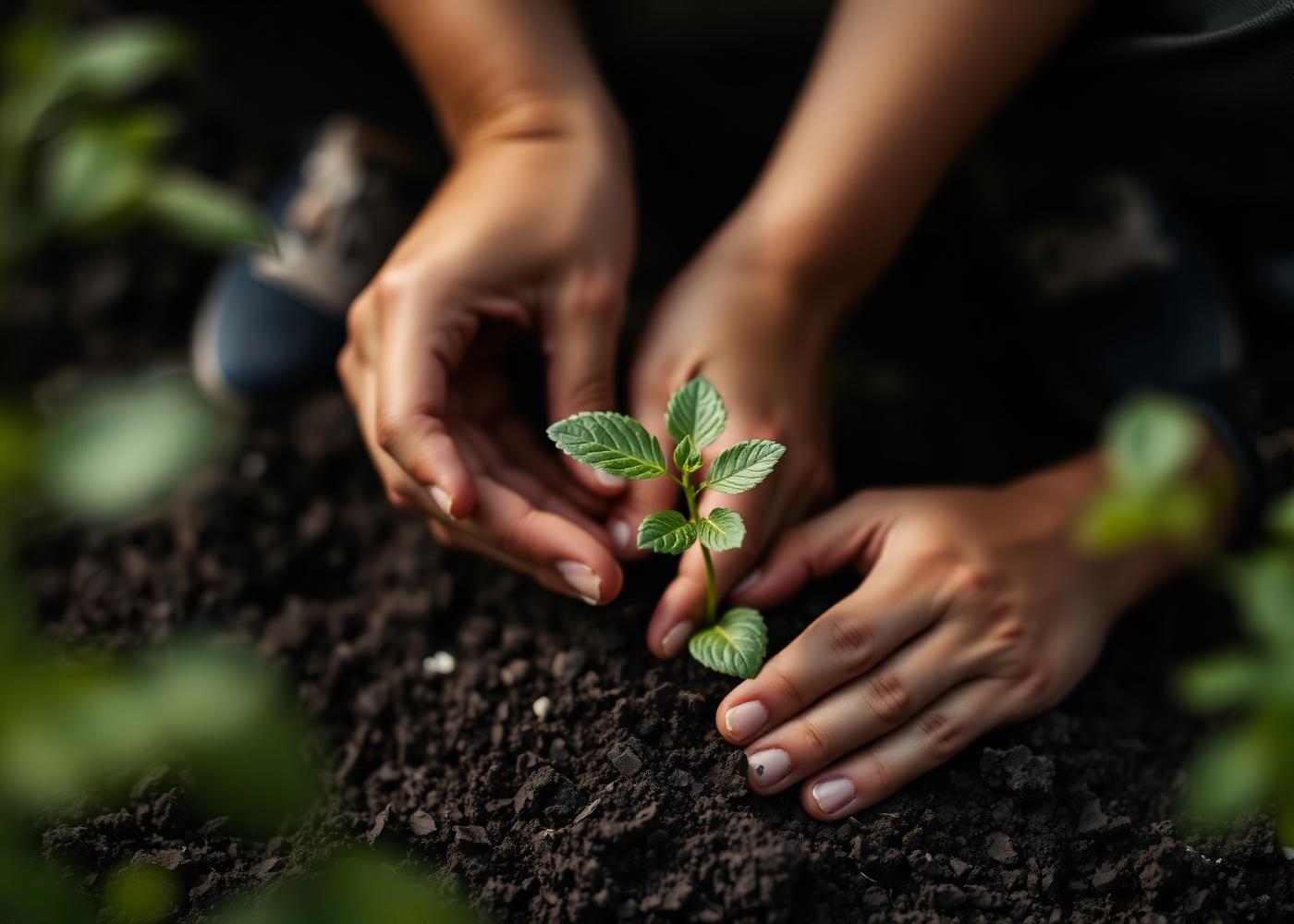
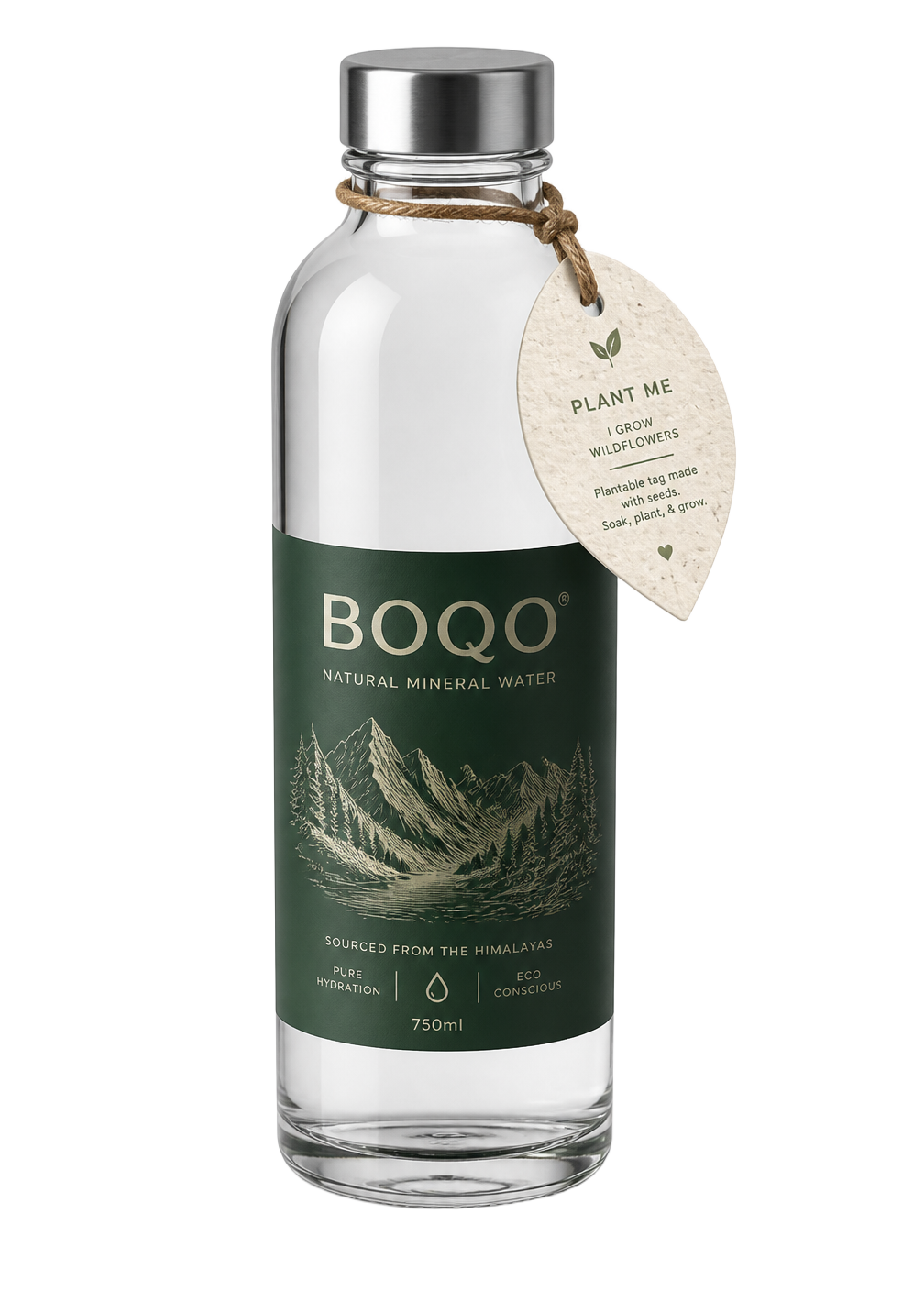
Compostable tags embedded with lavender, tulsi or basil seeds are hand-tied to every bottle.
Composting Afterlife
Used products break down in 6–8 months, returning to organic humus with zero microplastics.
Clean Energy
Facility highlight: clean-energy operations with a zero chemical waste standard.
Zero Waste
Upcycled agro-waste input, compostable output — a genuinely circular production loop.
Food-Grade Safe
Toxin-free, BPA-free and leak-proof engineering built to strict food safety standards.
Rural Upliftment
Sourcing that puts value back into farming communities supplying the bagasse.
From Bottle to Bloom
Watch packaging become a plant.
- 01Finish your drink and rinse the bottle.
- 02Detach the compostable Seed Tag from the neck.
- 03Place the tag one centimetre into moist soil.
- 04Water lightly — lavender, tulsi or basil germinates.
- 05Compost the bottle; it returns to humus in 6–8 months.
Impact Pillars
Six commitments, six numbers.
0%
plastic-free packaging
Plastic Elimination
Zero petroleum plastic in the bottle, cap, tag or transit case.
0 months
full decomposition
Rapid Decomposition
Bottles return to organic humus in soil and industrial composting.
0
microplastics released
Microplastic Residue
No toxic fragments left in farmland, rivers or oceans.
0%
agro-waste based
Agro-Waste Circularity
Sugarcane bagasse diverted from burning into useful material.
0 days
home & commercial compost
Tableware Composting
Molded bagasse plates, bowls, cups and cutlery break down fast.
0
seed varieties per range
Seed Tag Reforestation
Every tag germinates lavender, tulsi or basil once sown.